


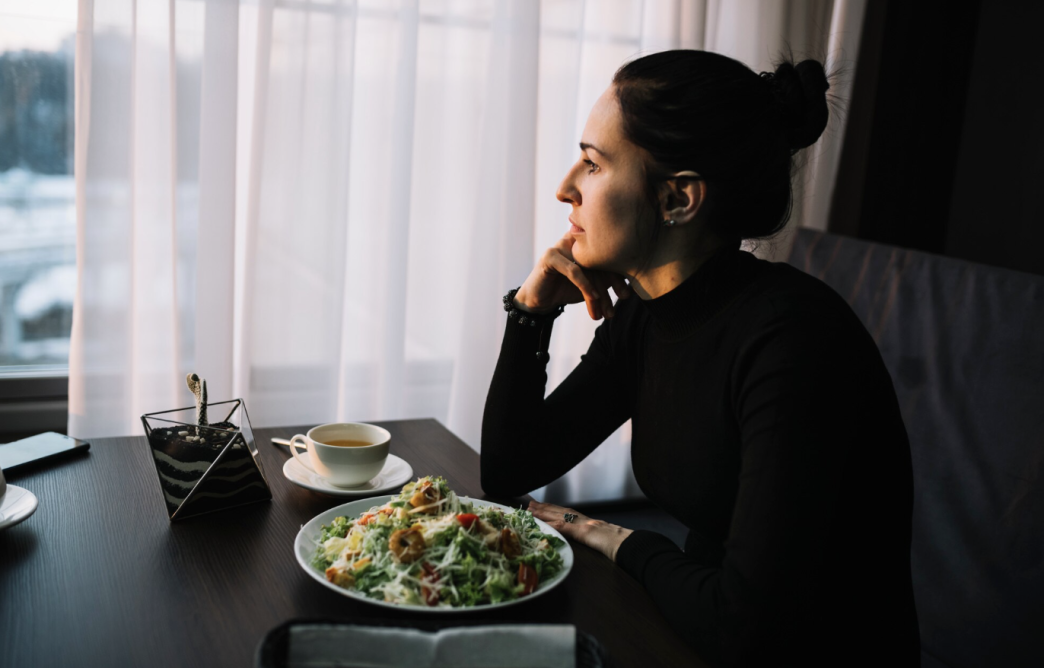
A generation ago, “healthy eating” often sounded like discipline at all costs: skip dessert, avoid carbs, eat less, stay thin. Today, another philosophy has entered the mainstream — intuitive eating — encouraging people to trust hunger cues instead of obsessing over calories or “good” and “bad” foods.
Somewhere between those two worlds sits the internet’s newest cultural label: the almond mom.
The phrase exploded across TikTok after users began sharing stories of mothers who promoted restrictive eating in subtle, often well-intentioned ways. Think: “Do you really need that snack?” or “Have a few almonds if you’re hungry.” What started as a meme quickly turned into a broader conversation about diet culture, body image, and what healthy eating actually looks like in modern America.
But the debate is more complicated than social media makes it seem.
Are almond moms unfairly criticized for caring about nutrition? Is intuitive eating genuinely healthier — or does it sometimes ignore the realities of modern ultra-processed food environments? And when it comes to long-term health, mental well-being, and sustainable habits, who’s really getting it right?
The answer isn’t as black-and-white as the internet wants it to be.
What Is an “Almond Mom”?
The term “almond mom” refers to a parent — usually a mother — who promotes restrictive or highly controlled eating habits under the banner of health and self-discipline.
The nickname came from a resurfaced clip of The Real Housewives of Beverly Hills star Yolanda Hadid telling her daughter Gigi Hadid to “have a couple of almonds” when she felt weak from dieting. The phrase stuck because so many people recognized versions of that mindset from their own upbringing.
Almond mom behavior isn’t always extreme. In fact, it’s often subtle:
- Labeling foods as “bad” or “guilty”
- Encouraging constant calorie awareness
- Praising thinness as discipline
- Treating indulgence as failure
- Avoiding certain foods out of fear rather than preference
- Equating self-control with moral virtue
What makes the concept resonate is that many almond moms genuinely believe they’re teaching healthy habits. Most aren’t trying to harm their children. Many grew up during the height of low-fat culture, diet fads, and intense pressure around body size.
In the 1980s and 1990s especially, thinness was frequently framed as both a health goal and a social expectation. That environment shaped an entire generation’s understanding of food.
So when younger people criticize almond mom culture today, they’re often reacting not just to specific comments, but to years of inherited anxiety around eating.
The Rise of Intuitive Eating
If almond mom culture represents control, intuitive eating represents permission.
Originally developed in the 1990s by dietitians Evelyn Tribole and Elyse Resch, intuitive eating encourages people to reconnect with internal hunger and fullness cues instead of following rigid diet rules.
The philosophy is built around principles like:
- Rejecting diet mentality
- Honoring hunger
- Removing guilt from eating
- Respecting body diversity
- Learning satisfaction and fullness signals
- Moving for enjoyment rather than punishment
Instead of asking, “How many calories are in this?” intuitive eaters might ask:
- “Am I actually hungry?”
- “Will this satisfy me?”
- “How does this food make me feel afterward?”
The movement gained traction partly because many Americans were exhausted by decades of dieting. Studies consistently show that restrictive diets often fail long term, with many people regaining lost weight over time. Repeated dieting can also contribute to stress, binge eating patterns, and unhealthy relationships with food.
Intuitive eating positioned itself as an alternative to the cycle of restriction and guilt.
And for many people, it felt freeing.
Why the Internet Loves Framing This as a Battle
Online culture tends to simplify complicated health conversations into opposites:
- Clean eating vs food freedom
- Discipline vs self-love
- Restriction vs balance
The almond mom versus intuitive eater debate fits perfectly into that formula.
But real life is messier.
Most people don’t live at either extreme. Few parents are truly surviving on almonds and black coffee. And most intuitive eaters still care about nutrition, energy, and long-term health.
The internet often rewards emotionally satisfying narratives over nuanced ones. Criticizing almond moms can feel validating for people recovering from harmful diet messaging. Meanwhile, critics of intuitive eating sometimes worry it dismisses genuine health concerns tied to nutrition and obesity.
Both sides are reacting to legitimate fears:
- One fears obsession and shame.
- The other fears denial and loss of structure.
That’s why this conversation has become surprisingly emotional.
Where Almond Moms Get Some Things Right
The phrase “almond mom” is often used mockingly, but dismissing every nutrition-conscious parent as toxic oversimplifies reality.
Some behaviors associated with almond moms are rooted in reasonable health concerns.
1. Nutrition Does Matter
The body genuinely responds to food quality.
Research consistently links diets rich in fiber, vegetables, healthy fats, lean protein, and minimally processed foods with better long-term health outcomes. Encouraging balanced meals, portion awareness, and moderation isn’t inherently harmful.
In many households, parents are trying to counter a food environment dominated by:
- Ultra-processed snacks
- Oversized portions
- Sugary drinks
- Constant convenience eating
That concern isn’t irrational.
2. Structure Can Be Helpful
Children often benefit from predictable meal patterns and exposure to nutritious foods. Teaching basic nutrition literacy can help people make informed decisions later in life.
Problems usually emerge when structure turns into fear, shame, or obsessive control.
3. Modern Wellness Culture Has Its Own Blind Spots
Some critics argue that portions of the intuitive eating movement unintentionally downplay how aggressively engineered modern foods can be.
Highly processed foods are designed for reward and repeat consumption. Hunger and fullness signals can become harder to interpret in environments saturated with hyper-palatable options.
That doesn’t mean people should fear food — but it does mean nutrition conversations are more complicated than “just listen to your body.”
Where Almond Mom Culture Often Goes Wrong
The criticism of almond moms didn’t emerge out of nowhere.
Many adults now recognize that growing up around chronic food anxiety shaped their relationship with eating in lasting ways.
Food Morality Can Become Harmful
When foods are framed as “clean,” “bad,” “cheating,” or “sinful,” eating becomes emotionally loaded.
Over time, this can create:
- Shame around normal hunger
- Anxiety at social meals
- Secretive eating
- Guilt after indulgence
- All-or-nothing thinking
Ironically, strict restriction can sometimes increase cravings and binge-like behaviors.
The body is biologically wired to respond to perceived scarcity.
Kids Internalize More Than Parents Realize
Children don’t just absorb direct comments. They observe behaviors.
A parent constantly criticizing their own body, skipping meals, or obsessing over weight can unintentionally teach that appearance determines worth.
Research shows family attitudes around food and body image can influence disordered eating risk later in life.
Again, intention matters less than impact.
Thinness Isn’t the Same as Health
One major criticism of almond mom culture is its tendency to equate thinness with wellness.
But health is influenced by many factors:
- Sleep
- Stress
- Genetics
- Physical activity
- Mental health
- Socioeconomic conditions
- Access to healthcare
Body size alone tells an incomplete story.
Where Intuitive Eating Gets It Right
For many people, intuitive eating offers something diets rarely do: psychological relief.
It Rebuilds Trust With Food
Instead of treating eating like a constant test of willpower, intuitive eating encourages neutrality and awareness.
That shift can reduce:
- Food obsession
- Chronic guilt
- Yo-yo dieting
- Emotional overeating triggered by restriction
People often discover that when forbidden foods lose their emotional power, cravings become less chaotic over time.
It Recognizes Mental Health as Part of Nutrition
Traditional diet culture often ignored the emotional cost of constant restriction.
Intuitive eating acknowledges that stress, shame, and obsession are health issues too.
A perfectly “clean” diet isn’t necessarily healthy if it creates anxiety or social isolation.
It Encourages Sustainability
Extreme eating plans frequently fail because they’re difficult to maintain in real life.
Intuitive eating focuses more on long-term relationship patterns than short bursts of control.
That approach may feel more realistic for people exhausted by years of dieting cycles.
But Intuitive Eating Has Challenges Too
Despite its benefits, intuitive eating isn’t always simple — especially in today’s environment.
Hunger Cues Aren’t Always Clear
Stress, poor sleep, emotional eating, medications, and highly processed foods can all affect appetite regulation.
For some people, “listen to your body” sounds empowering.
For others, it feels confusing.
Certain individuals may benefit from more structure while rebuilding awareness around eating habits.
Social Media Often Distorts the Concept
Online, intuitive eating is sometimes reduced to:
“Eat whatever you want all the time.”
That’s not the original framework.
True intuitive eating also involves:
- Gentle nutrition
- Body awareness
- Emotional regulation
- Respecting physical well-being
It’s not anti-health. It’s anti-chronic dieting.
Not Everyone Has the Same Relationship With Food
People recovering from eating disorders, metabolic conditions, or long-term restrictive patterns may need personalized support from dietitians or healthcare professionals.
There’s no universal eating philosophy that works identically for everyone.
The Real Issue May Be Extremes
The healthiest perspective may exist somewhere between rigid control and total nutritional indifference.
Most nutrition experts agree on a few fundamentals:
- Consistency matters more than perfection
- Food should nourish both body and life
- Restriction tends to backfire when taken too far
- Nutrition quality still matters
- Shame rarely improves health outcomes
That middle ground often looks less dramatic online because it lacks the emotional intensity of extremes.
But in real life, balance tends to be more sustainable than ideology.
Why This Conversation Resonates So Deeply
The almond mom debate isn’t really just about almonds.
It’s about inheritance.
People are reevaluating the messages they absorbed growing up:
- Is food fuel or morality?
- Is hunger something to ignore?
- Does discipline equal worth?
- Can health exist without obsession?
- What should parents actually teach children about eating?
At the same time, many parents today are navigating an incredibly difficult environment:
- Rising obesity rates
- Endless wellness misinformation
- Social media body pressure
- Processed food saturation
- Contradictory nutrition advice
No generation has handled food perfectly.
The difference now is that these conversations are happening publicly — and often emotionally — online.
So, Who’s Getting It Right?
Probably neither extreme.
Almond mom culture often underestimated the emotional damage that can come from fear-based eating and body obsession. But some intuitive eating conversations can underestimate how difficult modern food environments make self-regulation.
The healthiest approach may combine elements of both:
- Nutrition awareness without shame
- Flexibility without chaos
- Structure without obsession
- Enjoyment without guilt
That balance won’t look identical for every person or family.
And maybe that’s the point.
Healthy eating isn’t just about nutrients or self-control. It’s also about psychology, culture, identity, stress, access, habits, and lived experience. Any philosophy that ignores one side of that equation tends to fall apart eventually.
The growing popularity of this debate suggests Americans are looking for something more realistic than old-school dieting — but also more grounded than oversimplified wellness trends.
Not perfection.
Not punishment.
Just a healthier relationship with food that people can actually live with for decades.


